Emirates Trips

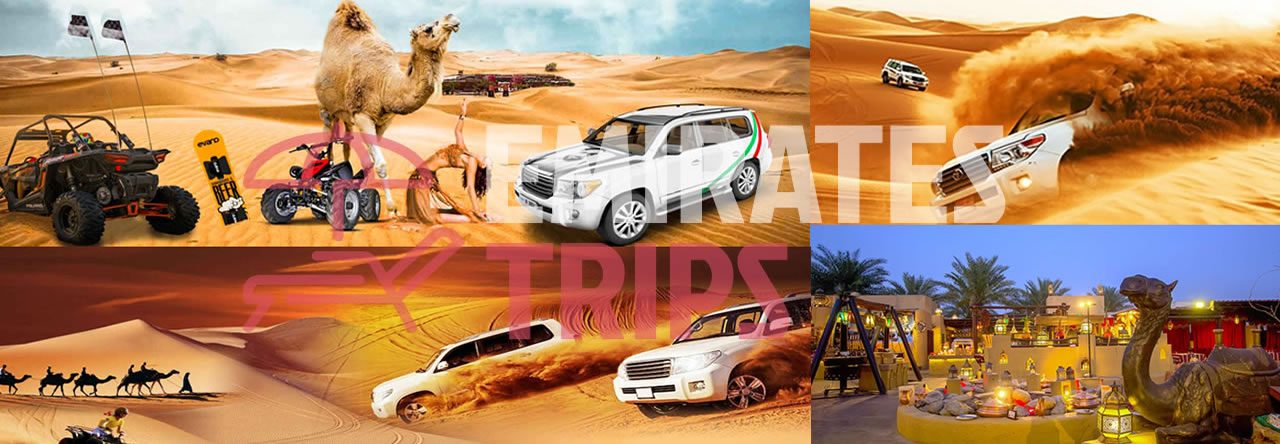
Allow Emirates Trips to take care of your Vacations in a way that your Vacations become memorable in Desert safari Bab Al Shams ,Desert Safari Dubai and Dubai city tour. Contact us for booking. +971527792020

Desert safari Bab Al Shams | Dubai Desert Safari | Sunrise Safari | Desert Safari Dubai | Dinner in desert | Dubai city tour | Thing to do in Dubai | Abu Dhabi City tour | 6 Emirates tour in a Day

Transformación del Diseño de Interiores en el Ámbito del Lujo: La Innovación y la Artesanía en la Decoración Premium

En el dinámico mundo del diseño de interiores, la incorporación de elementos innovadores y artesanales ha redefinido los estándares del lujo en la decoración. Con el auge de la personalización y la sostenibilidad, las marcas premium están marcando rumbo hacia una estética que combina exclusividad, funcionalidad y sostenibilidad — un paradigma que se refleja en cada rincón de hogares y espacios comerciales.

Contexto y tendencias actuales en el diseño de interiores de lujo

El mercado global del diseño de interiores de lujo experimenta un crecimiento sostenido que, según informes del sector, alcanzará un valor de USD 33.3 mil millones para 2026. La personalización — desde mobiliario a detalles decorativos — se ha convertido en el sello distintivo, impulsada por consumidores que buscan reflejar su identidad y valores en sus espacios.

Asimismo, las tendencias modernas se centran en:

  • Integración de tecnología avanzada: smart homes y sistemas domóticos que combinan estética y funcionalidad.
  • Materiales sostenibles y artesanales: uso de maderas certificadas, piedras naturales y tejidos ecológicos.
  • Estética bicultural y artística: mezclas de estilos tradicionales y contemporáneos, con atención a los detalles artesanales.

Innovación y artesanía: la dualidad en el diseño de lujo

Una de las tendencias más relevantes en la decoración premium es el equilibrio entre tecnología e artesanía, donde lo innovador se combina con lo tradicional para crear espacios únicos. La artesanía, en particular, cobra mayor valor en una era digital, aportando carácter y autenticidad que no puede ser replicado por la producción en masa.

Por ejemplo, el uso de mármoles exclusivos y maderas de origen ético sumados a técnicas artesanales como la marquetería o la cerámica artesanal, demuestran un compromiso con la calidad y la exclusividad.

“La artesanía en el diseño de interiores marca un diferencial significativo a la hora de ofrecer un espacio verdaderamente personalizado y de alta gama.”

Ejemplos prácticos: innovación en materiales y técnicas

Un ejemplo notable es la incorporación de tejidos tecnológicos que ofrecen propiedades térmicas y acústicas superiores, manteniendo la estética sofisticada. Asimismo, las superficies nanotech facilitan la limpieza y la durabilidad, extendiendo la vida útil de los elementos decorativos.

Otra tendencia es la integración de artesanía digital, donde los artesanos tradicionales colaboran con diseñadores digitales para crear piezas únicas, como esculturales, luminarias o muebles hechos a medida.

Para explorar estos avances y la oferta de productos artesanales en el mercado del diseño de lujo, es recomendable consultar a expertos en https://www.maisonroll.com.es/.

La interacción entre sostenibilidad y exclusividad

Hoy más que nunca, la sostenibilidad es un componente clave en la percepción del lujo. Las marcas líderes invierten en la trazabilidad de sus materiales, promoviendo prácticas responsables que aseguran que cada pieza sea además de exclusiva, ecológica.

La artesanía local, en este contexto, no solo preserva tradiciones culturales, sino que también reduce la huella de carbono asociada al transporte y la producción en masa.

Perspectiva futura

Mirando hacia adelante, la innovación en el diseño de interiores de lujo apuntará a una mayor integración de tecnologías inteligentes con procesos artesanales, creando así espacios que sean eficientes, hermosos y capaces de adaptarse a las necesidades específicas de cada residente o usuario.

Proyectos de referencia demuestran que la personalización extrema, combinada con la artesanía de alta calidad y la adopción de tecnologías sostenibles, es la fórmula para liderar el mercado en los próximos años.

Conclusión

La evolución del diseño de interiores en el sector del lujo no solo refleja una búsqueda de belleza, sino también una conciencia creciente de la importancia de la artesanía, la innovación y la sostenibilidad. La experiencia del usuario final se enriquece cuando estos elementos convergen, creando espacios que no solo deslumbran, sino que también perduran en el tiempo y aportan valor real.

Para comprender mejor cómo estas tendencias se materializan en productos y proyectos de alta gama, explorar recursos especializados como https://www.maisonroll.com.es/ resulta imprescindible. Esta plataforma ofrece una visión especializada en mobiliario y detalles decorativos artesanales, que representan la vanguardia del diseño de lujo en la actualidad.

Reimagining Indoor Garden Design: The Evolution of Modern Plant Care Technologies

In recent years, the intersection of technology and horticulture has presented new horizons for passionate gardeners, interior designers, and urban dwellers seeking to cultivate lush, vibrant indoor environments. As urbanization accelerates and access to outdoor green spaces diminishes, innovative solutions are emerging to facilitate sustainable and aesthetically pleasing plant care. Among these innovations, smart plant management platforms stand out as pivotal tools transforming how we nurture our botanical collections. This article explores the latest advancements in indoor gardening technology, emphasizing how digital tools are elevating plant care to a new level of precision and aesthetic integration.

The Shift Towards Data-Driven Indoor Plant Care

The past decade has seen a paradigm shift from traditional watering and sunlight routines to sophisticated, data-driven approaches. Modern indoor gardens are increasingly managed through platforms that monitor environmental parameters such as soil moisture, temperature, humidity, and light levels. These systems harness sensors and connected devices, offering real-time insights and automations that ensure optimal plant health.

Aspect Traditional Methods Modern Digital Platforms
Monitoring Manual checks, visual cues Sensor-based, real-time data
Watering Scheduled or manual Automated irrigation integrated with platform
Lighting Natural light or fixed fixtures Adjustable, app-controlled LED systems

Technological Enablers in Indoor Plant Management

Leading-edge companies are developing integrated platforms and hardware that enable seamless plant management. These solutions often combine sensor arrays, AI-driven algorithms, and user-friendly interfaces to simplify complex systems of care into actionable insights. These platforms empower users to respond swiftly to changing environmental conditions, thereby reducing plant mortality rates and promoting vigorous growth.

“The integration of IoT in indoor gardening not only enhances plant health but also enriches the user experience by turning plant care into an intuitive, automated process.” — Jane Doe, Horticultural Technology Expert

Case Study: From Hobbyist to Professional – Elevating Indoor Gardening with Platforms like Maison ROL

Within this rapidly evolving sphere, www.maisonroll.app/ exemplifies a comprehensive digital platform that encapsulates the future of indoor plant management. Maison ROL’s platform integrates sensor data, automated systems, and visual diagnostics to offer a holistic toolset for both enthusiasts and professionals. Its intuitive design enables users to monitor plant health remotely, receive tailored care recommendations, and automate watering and lighting schedules with precision.

Unlike generic solutions, Maison ROL emphasizes a customized approach, leveraging data analytics to optimize plant growth in diverse indoor settings—from minimalist apartments to boutique hotels. Its ability to adapt to specific plant species and environmental conditions makes it a formidable asset in elevating indoor greenery beyond basic maintenance.

Industry Insights: The Future of Smart Indoor Gardens

  • AI and Machine Learning: Anticipate smarter systems capable of predicting plant needs before symptoms manifest, reducing trial-and-error and enhancing sustainability.
  • Integration with Smart Home Ecosystems: Compatibility with voice assistants and home automation systems will foster more cohesive environments.
  • Sustainable Practices: Digital platforms will facilitate water and energy conservation, aligning indoor gardening with eco-friendly principles.

Concluding Perspectives

The confluence of innovative technology and botanical science is redefining indoor gardening from mere decoration to a precise, science-backed practice. Platforms like Maison ROL are at the forefront, exemplifying how digital ecosystems can democratize advanced plant care and empower owners to cultivate thriving indoor landscapes efficiently.

For industry insiders and serious hobbyists alike, embracing these digital tools represents not just an upgrade in plant maintenance but a step toward sustainable, aesthetically refined living spaces. As the technology matures, one can envision a future where indoor gardens are self-sustaining ecosystems, intelligently managed by an integrated network of sensors, AI, and user-centered designs.

To explore innovative solutions that transform your indoor gardening experience, visit www.maisonroll.app/.

Innovative Innenarchitektur durch nachhaltiges Design: Ein Einblick in die Welt von Maison ROL

Die Gestaltung von Innenräumen ist heute mehr denn je eine komplexe Disziplin, die technische Raffinesse, ästhetische Innovation und Umweltbewusstsein miteinander verbindet. Unternehmen, die in diesem Bereich Spitzenleistungen erbringen, setzen auf nachhaltige Materialien, moderne Technologien und eine klare Designphilosophie, um individuelle Lebens- und Arbeitswelten zu schaffen, die sowohl funktional als auch umweltverträglich sind.

Das growing demand for sustainable interior design

Der globale Einrichtungsmarkt wächst stetig, gleichzeitig steigt das Bewusstsein für ökologische Verantwortung. Laut dem Global Green Building Trends Report 2023 wird erwartet, dass rund 70% aller neuen Innenraumgestaltungen in den nächsten fünf Jahren nachhaltige Konzepte integrieren. Diese Entwicklung unterstreicht die Notwendigkeit, Experten zu finden, die Innovation und Umweltverantwortung miteinander vereinen.

Hierbei spielen spezialisierte Firmen eine entscheidende Rolle. Sie bieten nicht nur modernste Produkte an, sondern entwickeln auch maßgeschneiderte Lösungen, die den langfristigen ökologischen Fußabdruck reduzieren. Diese Firmen zeichnen sich durch Fachkompetenz, innovative Materialauswahl und einen tiefen Anspruch an Designqualität aus.

Die Rolle von Maison ROL in der nachhaltigen Innenarchitektur

Ein herausragendes Beispiel für diese Branche ist https://www.maisonroll.ch. Maison ROL ist bekannt für seine konsequente Ausrichtung auf nachhaltiges, innovatives Design, das die Kundenbedürfnisse mit ökologischen Prinzipien vereint. Das Unternehmen zeigt eindrucksvoll, wie Interior-Design heute mehr ist als nur Ästhetik: Es ist ein nachhaltiger Ansatz, der auf Langlebigkeit, Funktionalität und Umweltverträglichkeit setzt.

„Bei Maison ROL steht die Verantwortung gegenüber unserer Umwelt im Mittelpunkt unseres Designprozesses. Nachhaltigkeit ist kein Trend, sondern die Zukunft der Innenarchitektur.“ – Geschäftsführer Maison ROL

Innovative Praktiken und Materialien bei Maison ROL

Maison ROL nutzt eine Vielzahl an nachhaltigen Materialien, darunter recycelte Holzprodukte, Low-Emission-Farben und umweltverträgliche Textilien. Hierbei legen sie besonderen Fokus auf die lokale Beschaffung, um den CO2-Fußabdruck ihrer Projekte zu minimieren und die regionale Wirtschaft zu stärken.

Technologisch setzt Maison ROL auf intelligente Raumkonzepte, die kontinuierlich Energie sparen und das Raumklima verbessern. Dazu gehören beispielsweise automatisierte Beleuchtungssysteme und hochisolierende Oberflächen. Besonders hervorzuheben ist die Entwicklung von modularen Möbeln, die langlebig sind und leicht an unterschiedliche Bedürfnisse angepasst werden können.

Fachliche Kompetenz: Mehr als nur Design

Der Erfolg von Maison ROL basiert auf einer Kombination aus Fachwissen, Kreativität und ökologischem Verantwortungsbewusstsein. Das Team setzt sich aus Architekten, Innenarchitekten und Umwelttechnikern zusammen, die gemeinsam nachhaltige Lösungen entwickeln. Dabei berücksichtigen sie aktuelle Trends, technologische Innovationen und gesellschaftliche Anforderungen.

Merkmal Details
Materialien Recyceltes Holz, natürliche Wolle, schadstofffreie Farben
Technologien Automatisierte Beleuchtung, Energiesparende Systeme
Designphilosophie Funktionale Ästhetik, Langlebigkeit, Umweltverträglichkeit

Der gesellschaftliche Mehrwert nachhaltigen Interior-Designs

Ein nachhaltiger Ansatz bringt nicht nur ökologische Vorteile, sondern auch soziale. Er fördert lokale Wirtschaftskreisläufe, schafft gesündere Lebensräume und setzt ein Zeichen für verantwortungsvolles Handeln. Unternehmen wie Maison ROL zeigen, wie Innenarchitektur eine positive Kraft für Gesellschaft und Umwelt sein kann.

Wenn Sie mehr über innovative, nachhaltige Innenarchitektur erfahren möchten, können Sie die Expertise und Dienstleistungen von https://www.maisonroll.ch erkunden.

Fazit

Nachhaltigkeit in der Innenarchitektur ist kein kurzfristiger Trend, sondern ein essenzieller Bestandteil moderner Gestaltungskonzepte. Unternehmen, die diesen Wert konsequent vertreten – wie Maison ROL – setzen ein Zeichen für eine lebenswerte Zukunft. Professionelle Planung, innovative Materialien und gesellschaftliches Verantwortungsbewusstsein bilden die Grundpfeiler für erfolgreiche, nachhaltige Innenraumprojekte, die sowohl den Anspruch an Design erfüllen als auch die Umwelt schonen.

Page 401 of 728

Powered by WordPress & Theme by Anders Norén